
Prince Frederik and his family
Prince Frederik left a significant mark on the appearance of Wassenaar. He received a military education and studied at the University of Leiden. He held various impressive positions, such as admiral and commissioner-general of War (comparable to the current position of Minister of Defence). These titles almost make you forget that he was also 'just' a man: a father and a husband, with hobbies and interests. Who was Prince Frederik really, and what did his life in seclusion look like? You can discover it here.
In the 19th century, Prince Frederik was one of the wealthiest men in NL. He received substantial inheritances that significantly increased his wealth. In addition, the leasing of farms and the proceeds from activities such as sand extraction, breweries, and sawmills generated substantial income. During the colder months, he lived in The Hague, where he hosted receptions and attended the opera and concerts. In the summer and autumn, he stayed with his family at his country estate De Paauw, where he also received guests in a more informal atmosphere and could lead a quiet life.
Just another day...
Days at De Paauw proceeded peacefully for Prince Frederik. In the mornings, the ladies had breakfast in their rooms, while he dined with the gentlemen in the dining room. Prince Frederik was a hardworking person who often spent time in his study. Today, this is the mayor's office.
Afterward, they played a game of cards or billiards, or engaged in drawing, embroidery, or music. Following lunch, everyone rested, and then it was time to get some fresh air. Prince Frederik enjoyed taking his guests on a leisure ride through his park and had a passion for hunting. The women would visit one of the gardens near the house, such as the Princess Garden, the rose garden, or the vegetable and flower garden. After these activities, dinner was served, allowing everyone to recharge for a quiet evening.
An avid hunter
Prince Frederik was fond of hunting. It was an ideal opportunity for the gentlemen to meet and compete with one another. They rode in a special carriage to the hunting grounds, where beaters flushed out the game for them. Servants carried their equipment, handed them their rifles, and retrieved the wounded game. The prince and his guests also tested their shooting skills at the shooting lodge. After the hunt, they gathered contentedly at Ter Horst hunting lodge for a wonderful meal and engaging political conversation.
Father and husband
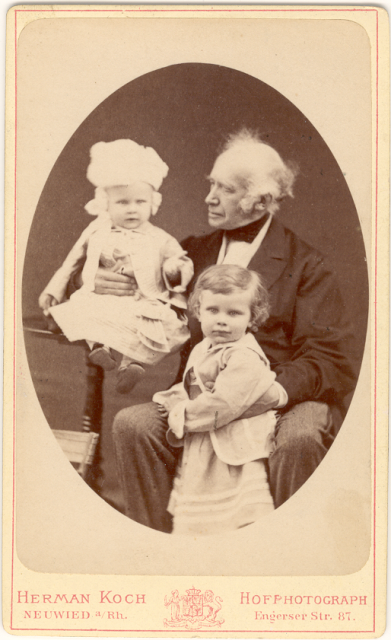
Prince Frederick married his cousin, Princess Louise of Prussia, on May 21, 1825. They spent a lot of time together, but each also had their own schedule. For example, Louise would sometimes go to a health resort for her health, while the prince was away on a working visit. They would often travel to meet each other afterward. Together they had four children: Louise, William, Frederick, and Marie. His two daughters grew up and married; through her marriage, Louise became Queen of Sweden. The deaths of both their sons at a minor e age brought the couple great sorrow. William lived to be only one year old, and Frederick died at the age of ten.
The peacemaker
Prince Frederik was known as a sympathetic man with a stable character and a strong sense of responsibility. He took good care of his staff and smoothed over tensions within the family, which sometimes ran quite high. For instance, the prince maintained contact with his father despite his controversial second marriage. When his father passed away, he continued to support the widow. He mediated the divorce of his sister Marianne and settled the heavily debt-burdened estate of his brother William II. Prince Frederik played a major role as a reconciler.
A Freemason
Prince Frederik was Grand Master of the Order of Freemasons. This was an organization of gentlemen who sought to improve society and dedicate themselves to their fellow human beings. Despite his good intentions, the prince received much criticism: the Order was a private and therefore somewhat secretive society, and Catholics in particular viewed this as a threat. The prince did not let this deter him; he served as Grand Master for over 65 years and donated a large collection of special books and a lodge building on Fluwelen Burgwal in The Hague to the Order.
Fond of travel
Prince Frederik traveled frequently to conduct business, maintain social connections, or escape the hustle and bustle of the city. He regularly traveled from his city palace in The Hague to his country estates in Wassenaar and Bad Muskau, a location on the Oder river in the current German-Polish border region (he owned multiple estates in this former Silesian area). The prince was also frequently in Berlin, where he had grown up and had many family members living. He traveled by carriage. From 1843, following the construction of the railway towards Amsterdam, the train became a much faster and more comfortable alternative. He had his own private carriage, while there was also ample space for the court entourage accompanying him.
Discover it for yourself!
Prince Frederik is no longer with us, but if you want to get a sense of his life, be sure to visit (parts of) the park route. Walk through De Horsten just as he used to, view the country houses that were part of his vast estate, and enjoy a drink in the former shooting lodge, which is now a tea house. History will naturally come to life!