
Area-based approach
The Municipality of Voorschoten takes an area-based approach. This ensures that each neighborhood receives the attention it needs. After all, no two neighborhoods or streets are the same: residents, needs, and developments vary. And no one knows better what’s needed than the people who live there. That’s why each neighborhood has a dedicated area coordinator. This area coordinator serves as the point of contact for the neighborhood, stays in touch with residents, and is aware of what’s going on in the neighborhood.
Community coordinators know their neighborhoods and streets well. They are aware of the questions and concerns residents have. They also keep track of developments within the neighborhood and what other organizations are doing.
In addition, the neighborhood coordinators maintain contact with local stakeholders. These include, for example, housing authorities, the police, and social service organizations. In this role fulfil , the neighborhood coordinators serve as liaisons: they share residents’ feedback, ideas, and concerns within the network and within the municipality.
Area Coordinators are not responsible for all issues in the neighborhood. For specific questions—such as those regarding projects or reporting issues—please contact the usual municipal channels.
However, the area coordinators do contribute their insights from the perspective of the neighborhood and its residents. They know their way around the municipality and can help identify the right approach. If an issue cannot be addressed directly by the area coordinator, he or she will ensure that it is forwarded to the appropriate department or colleague within the municipality.
What do neighborhood coordinators do in the neighborhood?
- They stay in touch with the residents.
- They bring neighborhood concerns to the attention of the municipality.
- They play an independent and mediating role.
- They'll work with you to identify areas for improvement in the neighborhood.
- They help neighborhood initiatives get off the ground.
- They contribute ideas on issues related to quality of life, safety, and community spirit.
- They connect organizations that are active in the neighborhood.
- They advise the municipality so that decisions are better suited to your neighborhood.
When should you contact the area director?
- If you have an idea for the street or neighbourhood, please share it. Examples include initiatives to improve the quality of life, organizing activities for residents, or ideas to make public spaces more attractive.
- If there are certain issues regarding the living environment. For example, concerns about safety, nuisances, pollution, or other matters that affect the quality of life and cannot be reported.
- If you’d like to know which organizations are active in the neighborhood, the community coordinator is familiar with the local network and can put you in touch with the right partners or individuals.
- If you’re interested in sharing your ideas on how the “ neighbourhood ” is developing, the area coordinator would love to hear what residents see as opportunities and areas for improvement.
- If there is a need for clarity regarding who within the municipality can be contacted or to whom people can turn with questions or ideas.
Who are the area coordinators?
Every neighborhood in Voorschoten has its own neighborhood coordinator. The neighborhood coordinator is your first point of contact for questions, ideas, or concerns about your neighborhood or living environment. Below is a list of the neighborhood coordinators for each neighborhood.
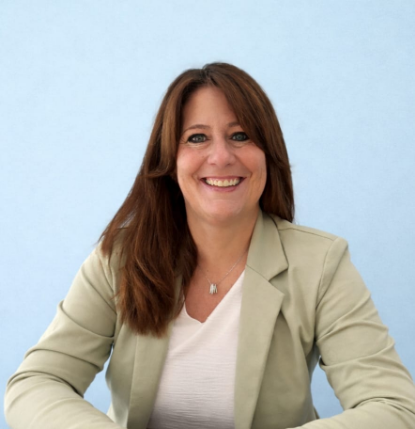
Brigitte Vletter
Area Director Brigitte Vletter is responsible for the following neighborhoods:
- Adegeest
- Bloemenwijk
- Boschgeest
- Rural Area
- Dobbewijk
- Nassau District
Contact Information
- Email: gebiedsmanagement@voorschoten.nl
- Phone: +316 50 06 48 32
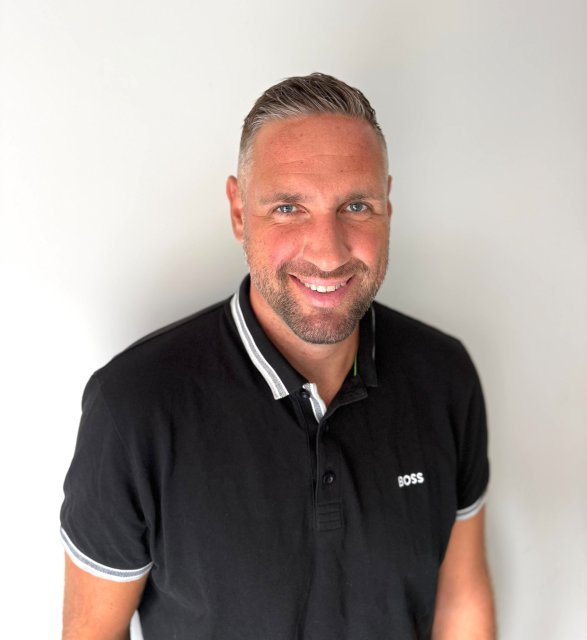
Thierry Kloos
Area Director Thierry Kloos is responsible for the following neighborhoods:
- Bijdorp
- centre
- Krimwijk
- Noord-Hofland
- Starrenburg
- Vlietwijk
Contact Information:
Email: gebiedsmanagement@voorschoten.nl
Phone: +316 51 23 16 33
The Neighborhoods of Voorschoten
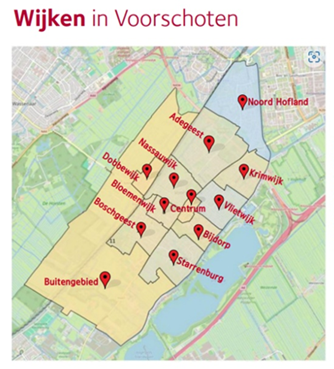
Voorschoten consists of a total of 12 neighborhoods. These are Adegeest, Bijdorp, Bloemenwijk, Boschgeest, Buitengebied, centre, Dobbewijk, Krimwijk, Nassauwijk, Noord-Hofland, Starrenburg, and Vlietwijk.
Each neighborhood has its own identity, shaped by its history, culture, character, and the people who live there. Together, these neighborhoods form the diverse and close-knit town of Voorschoten.
A link between residents and the municipality
In every neighborhood, a community coordinator works together with residents, business owners, schools, and neighborhood organizations. Together, they work to ensure a pleasant, safe, and livable environment.
The neighborhood coordinator knows what’s going on in the neighborhood and passes this information on to the municipality. The neighborhood coordinator can also help you further develop your idea—for example, by offering advice on how to go about it. The neighborhood coordinator can also put you in touch with other residents or organizations that can assist you with this.
Area-Based Approach
Every neighborhood is different and requires a different approach. The goal is to create livable neighborhoods where people feel connected to their surroundings. That is why collaboration between the municipal government, residents, business owners, and (civil society) partners is incredibly important. A neighborhood-focused approach creates opportunities for prevention, collaboration, and tailored solutions. You can find more information about a neighborhood-focused approach on this page.
Submit an Idea or Initiative
Do you have an idea for making your street, neighbourhood , or neighborhood more attractive, safer, greener, or more welcoming? If so, the area coordinators would be happy to brainstorm with you. Residents often know their own neighborhoods best, and business owners know exactly what’s important for their businesses. As a municipality, we place great value on openness and community involvement.
Why Report an Initiative?
By sharing your initiative, the area director can help you take your idea further. Sometimes support is needed in the form of advice; sometimes permits or agreements with partners are required; and in some cases, the municipality may even help brainstorm ideas regarding facilities or financial support. Together, we’ll explore what’s possible and what’s needed.
How does it work?
Below is a step-by-step guide on how to share an initiative with the area coordinator.
Please report your initiative to the area coordinator.
The area director will work with you to determine what the idea entails, what the goal is, and what steps are needed.
Feasibility studies.
Depending on the initiative, we’ll look into the partners involved, any applicable rules, and what the municipality can do for you.
You will receive advice and guidance.
The area coordinator will help you get started, put you in touch with the right organization(s), and work with you to plan the implementation, schedule, and communication.
Let's get to work together.
Once all the steps are clear, you can get started (with support as needed) on implementing your initiative.
Want to report an initiative?
Would you like to report an initiative? Please contact your area director by email at:gebiedsmanagement@voorschoten.nl. The area director will provide you with advice and information.
Briefly describe your idea, provide your personal and contact information, and specify exactly which neighborhood you’re referring to. The area coordinator will then contact you as soon as possible.
Neighborhood Consultations in Your Neighborhood
Starting in 2026, the neighborhood coordinators will organize a neighborhood meeting three times a year in each neighborhood. These meetings are intended to discuss ideas and neighborhood initiatives. Residents and organizations share what’s going on and work together to identify potential opportunities and solutions. The neighborhood coordinator then brings these initiatives to the meeting and discusses with the partners what is possible and what next steps are needed.
Important to Know
The neighborhood consultation is focused exclusively on community initiatives. For questions about municipal projects, construction work, or policy, please use the regular contact channels.
Would you like to participate in the regional consultation?
Would you like to help shape your neighborhood, or do you have ideas for making neighbourhood even better? We’re looking for up to five engaged residents for each neighborhood. You can sign up by sending an email to: gebiedsmanagement@voorschoten.nl.
We will select the five residents based on their motivation and commitment. Therefore, please clearly state your personal information, the name of your neighborhood, and a brief explanation of why you want to participate.
Even if you are not selected, the area coordinators will bring your ideas to the area consultation meetings. This way, everyone can actively contribute.
Agenda for Regional Consultations
Below is an overview of the neighborhood consultation meetings by neighborhood. The neighborhoods are listed in alphabetical order. You can also find the agenda and the minutes here.
Agenda for Neighborhood Consultation Meetings
| Date | Neighborhood | Agenda | Report |
|---|---|---|---|
| Wednesday, November 26, 2025 | Adegeest | Click here to view the calendar. | Click here to view the report. |
| Wednesday, March 4, 2026 | Adegeest | Click here to view the calendar. | Click here to view the report. |
| Wednesday, April 29, 2026 | Adegeest | Click here to view the calendar. | Click here to view the report. |
| Wednesday, October 28, 2026 | Adegeest | ||
| Thursday, October 15, 2026 | Bijdorp | ||
| Thursday, June 11, 2026 | Boschgeest/Bloemenwijk | Click here to view the calendar | Click here to view the report. |
| Monday, October 26, 2026 | Boschgeest/Bloemenwijk | ||
| Monday, October 5, 2026 | Rural Area | ||
| Monday, November 16, 2026 | Dobbewijk | ||
| Monday, October 19, 2026 | Nassau District | ||
| Tuesday, October 13, 2026 | Noord-Hofland | ||
| Tuesday, June 2, 2026 | Starrenburg | Click here to view the calendar. | Click here to view the report. |
| Thursday, November 5, 2026 | Starrenburg | ||
| Tuesday, October 6, 2026 | Vlietwijk |