Voorschoten Officially Designated a UNESCO World Heritage Site
During the World Heritage Conference in China, the Lower Germanic Limes was inscribed on the UNESCO World Heritage List. The Lower Germanic Limes—the former border of the Roman Empire—runs right through the Netherlands along the Rhine, passing through the provinces of South Holland, Utrecht, and Gelderland. The Limes is Europe’s largest archaeological monument. It stretches from Scotland through the Netherlands, Germany, Central and Eastern Europe, and ultimately through the Middle East to the northern Sahara in Libya.
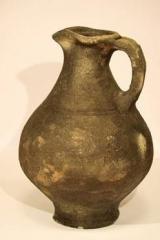
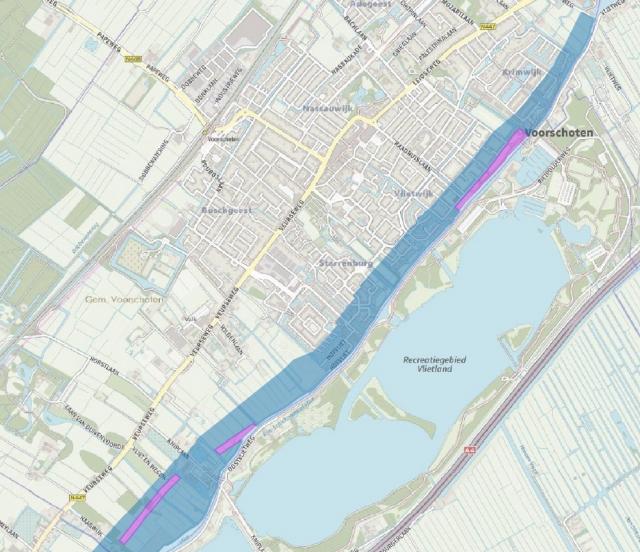
Over the past few years, work has been underway on the nomination dossier for UNESCO. This dossier includes various sites where significant discoveries have been made. These include, among other things, the remains of the Matilo castellum in Leiden and watchtowers in Utrecht, but Voorschoten is also part of the Limes! In fact, remains of the Roman Corbulo Canal have been uncovered at various sites in Voorschoten. The canal is named after the governor Gnaeus Domitius Corbulo, who had it constructed between 47 and 51 AD. This canal, approximately 12 to 14 metre s wide, connected the (Old) Rhine to the mouth of the Meuse somewhere near present-day Naaldwijk during Roman times, and it is one of the oldest hydraulic engineering structures in our country. The excavated banks of the canal, reinforced with wooden revetments, have been uncovered, and during an investigation in the Vlietwijk neighborhood, Roman pottery was even found at the bottom of the canal.
Alderman Marcel Cramwinckel (Heritage, archaeology , and Monuments): “Inclusion on the World Heritage List is an international mark of recognition. Voorschoten can be proud that, thanks to the Corbulo Canal, it is part of a unique and internationally significant heritage site from the Roman era. It is very important that the remains underground are preserved, but we will also work to make this special heritage come to life.”
Corbulo Canal
Canals were extremely rare in the Roman Empire, and the Corbulo Canal is one of the few known and well-preserved examples. It is a prime example of the efforts made by Roman engineers to adapt the river landscape to the strategic objectives of the army.
Not the entire canal has been designated a World Heritage Site; in Voorschoten, the designation covers three core zones located in the Vlietwijk, Starrenburgerpolder, and Knippolder. In the neighboring municipality of Leidschendam-Voorburg, there are also three core zones containing remnants of the canal that have been granted UNESCO World Heritage status.