
Insulation
A well-insulated home is comfortable and energy-efficient. You consume less energy, save on your energy bill, and your home stays warmer in the winter and cooler in the summer. Additionally, this better prepares you for the transition to a natural gas-free future. There are various ways to insulate your home, such as insulating your roof, floor, walls, or glazing. Which measures are suitable depends on your home.
Subsidy for insulating your home
The municipality of Voorschoten helps residents better insulate their homes. An insulation subsidy is available for a number of homes. Have you received a letter from the municipality? If so, you may be eligible to use this scheme.
Depending on your situation, you may be eligible for a subsidy that makes insulation much more affordable or even free.
Insulation and protected animal species
Voorschoten initiates a quick scan for protected animal species
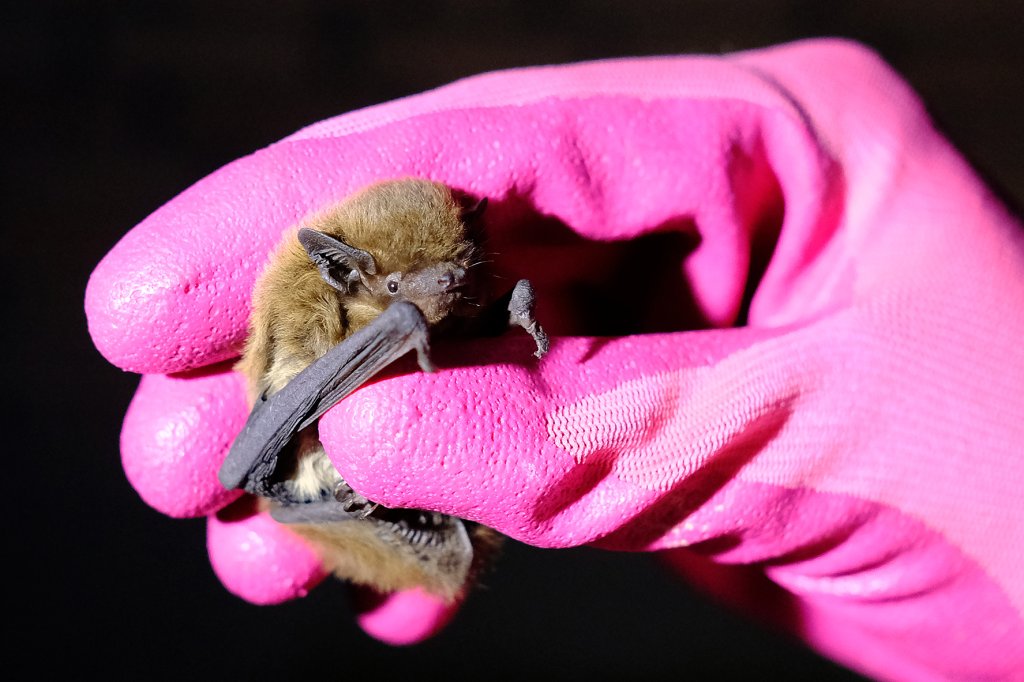
An increasing number of residents in Voorschoten are making their homes more energy-efficient. This saves energy and benefits the climate. However, protected animal species, such as bats, swifts, and house sparrows, also live in and around houses. To gain better insight into these species and their habitats, the municipality has initiated a preliminary study: a quick scan. This study forms the basis for creating a species management plan (SMP). For this research, the municipality is collaborating with Habitus, an ecological consultancy.
What is a species management plan?
A species management plan (SMP) outlines where protected animals live and how we can take them into account, for example during renovations or insulation work. An SMP makes it easier for residents to make their homes more sustainable. You will no longer need to independently commission an assessment to determine if protected animals are present; the municipality will do this for you.
What does this mean for residents?
The species management plan is not yet in place. Consequently, national regulations for nature and wildlife currently apply. This means that for certain types of insulation (or other work on your home), you must first have an inspection conducted to check for the presence of protected animals. This is referred to an ecological assessment.
Insulation is not always immediately permitted for:
- Cavity wall insulation
- Certain forms of roof insulation (particularly on the exterior or the roof structure)
An ecological survey is often required for this type of work. Are there any protected animals in the area? If so, you’ll also need to apply for a “ licence .”
Insulation is often immediately permitted for:
- Interior insulation (such as floor or ground insulation)
- Minor works that do not affect habitats
Please note: you must always handle animals and their habitats with care. This is known as the duty of care.
Temporary situation
Currently, an SMP is not yet in place, which means residents must arrange their own research. Once the species management plan is completed, this process will become easier and faster. The municipality will keep you informed of the progress through the usual channels.
More information
Is construction taking place on or in the neighbourhood of your home? And would you like to know what to do about protected species? Then visit the website of the Zuid-Holland Zuid Environmental Agency for more information on how to handle protected animal and plant species during construction.
Application of EPS beads
When making their homes more sustainable, many homeowners choose to insulate their cavity walls, floors, and/or crawl spaces. On the one hand, this leads to reduced CO2 emissions and lower energy consumption, which results in a nice saving on the energy bill. On the other hand, it is important to pay attention to the environment and protected animal species.
EPS beads have been the most commonly used insulation material in cavity walls for decades. EPS stands for expanded polystyrene, better known as styrofoam. EPS is applied in the form of loose balls, also called beads. Hence the name EPS beads. When filling cavity walls, the EPS beads are blown into the cavity with a thin layer of liquid adhesive. Due to the adhesive, the beads stick together and do not sink away in the cavity.
Prevent environmental damage
During or after filling the cavity, ensure that no EPS beads end up on the street, in your garden, or in public greenery. Spills can sometimes occur when removing the gun from the opening in the wall, or when filling the equipment used to blow the EPS beads into the cavity or crawl space. Furthermore, EPS beads can escape into the surrounding area via open cavity structures. The unfortunate part of this is that EPS beads are non-biodegradable and therefore cause lasting environmental pollution. Naturally, this is undesirable.
Should EPS beads end up in the public space, you, as the commissioner of the work, together with the insulation company, are responsible for cleaning them up. Therefore, urge the insulation company to thoroughly clean up spilled EPS beads, including in your garden. This prevents lasting environmental contamination. In addition, it prevents the municipality or the environmental service from having to take enforcement action.
To measure is to know
Your house primarily loses heat through the roof, walls, windows, and floor. If your house is wrapped in a thick layer of insulation material, it retains heat better. Are you unsure about the insulation present in your roof, exterior wall, floor, and windows? Then take the self-scan from Milieu Centraal. With the practical explanation, a lighter, and a tape measure, you can discover it yourself.
Tailored advice
You can request online customized advice via Regionaal Energieloket. Fill in the home planner and gain insight into which measures are best to take in your specific situation. Furthermore, you can contact the Regionaal Energieloket with all your questions regarding insulation options, subsidies, companies, and requesting a quote.
Energy subsidy guide
There are various subsidies and schemes available to help you realize your plans. The energiesubsidiewijzer provides insight into which subsidies and schemes you are eligible for.
In which cases will you receive an insulation allowance from the municipality?
The insulation subsidy is intended for residents of Voorschoten whose homes are poorly insulated. There are at least two Requirements requirements to qualify for this program:
- Your home has energy label D, E, F or G OR at least two parts of the house are poorly insulated or not insulated at all.
- Your home has a WOZ value of a maximum of € 596,000 (value as of January 1, 2024).
Duurzaam Bouwloket
The insulation allowance could be applied for up to and including June 30, 2026, at the Duurzaam Bouwloket, the energy desk of the municipality of Voorschoten. More information about the insulation allowance can be found on the website of the Duurzaam Bouwloket.
How do you apply for the insulation allowance?
Residents could apply for the insulation allowance up to and including June 30, 2026, at the Duurzaam Bouwloket, the energy desk of the municipality of Voorschoten.